
The psychology behind gambling understanding the mental effects on players
The Allure of Gambling: A Psychological Perspective
Gambling appeals to many individuals due to its inherent uncertainty and thrill. The unpredictability of outcomes engages players on a psychological level, often creating a heightened state of excitement. This response is not purely emotional; it taps into various cognitive biases, such as the illusion of control, which leads players to believe that they can influence outcomes in games of chance. This phenomenon can make gambling particularly enticing, as it fosters a sense of empowerment. Players can easily enjoy the aviator game, which exemplifies this mix of excitement and potential control.
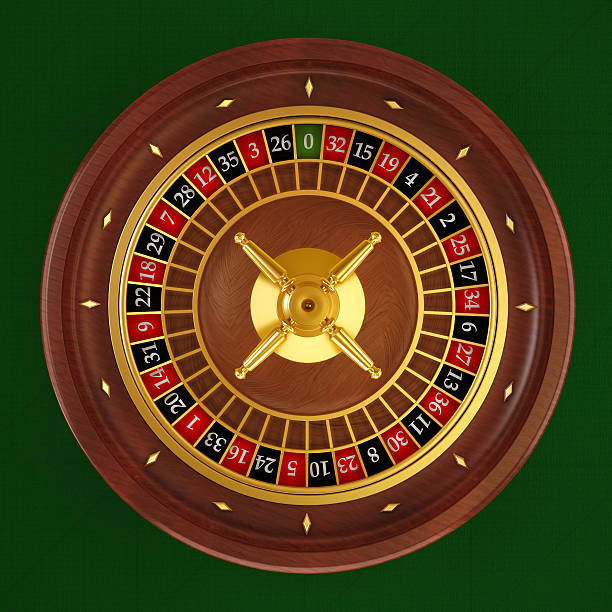
The excitement associated with gambling can be likened to a rollercoaster ride, with peaks of joy followed by sudden drops of despair. Players may experience a rush of adrenaline that stimulates the brain’s reward system, releasing dopamine—a neurotransmitter linked to pleasure and satisfaction. This chemical reaction solidifies the connection between gambling and intense feelings of euphoria, driving individuals to seek repeated experiences in hopes of reliving those exhilarating moments.
Moreover, the social environment surrounding gambling venues plays a crucial role in shaping players’ experiences. The vibrant atmosphere in casinos, complete with flashing lights and celebratory cheers, enhances emotional engagement. Interaction with fellow players can create a sense of community, further enticing individuals to participate. This combination of personal thrill and social validation makes gambling a compelling activity, drawing players back even after significant losses.
The Role of Cognitive Biases in Gambling Behavior
Cognitive biases significantly influence how gamblers perceive risk and reward. One common bias is the gambler’s fallacy, where players believe that past events affect future outcomes in independent games, such as roulette or slot machines. For example, someone may think that a number is “due” to come up after not appearing for several rounds. This misunderstanding of probability can lead to misguided strategies and increased risk-taking behavior.
Another impactful cognitive bias is the availability heuristic, which causes gamblers to overestimate the likelihood of winning based on memorable successes. When they hear stories of jackpot winners or see them celebrating at the casino, it reinforces the belief that winning is a more frequent occurrence than it actually is. As a result, individuals may continue to gamble despite losing streaks, convinced that they are on the verge of a big win.
These biases can create a cycle of irrational behavior, making it challenging for players to assess their gambling habits realistically. They may become trapped in a mindset where losses are dismissed and wins are celebrated, distorting their understanding of their financial situation. This cognitive dissonance often leads to a deeper emotional investment in gambling, increasing the potential for problematic behavior and addiction.
The Emotional Rollercoaster of Gambling
The emotional landscape of gambling is complex and multifaceted. Players often experience a wide range of emotions, from euphoria during winning streaks to despair and regret after losses. This emotional volatility is a crucial factor in the psychology of gambling, as it can create a dangerous feedback loop where individuals chase losses in hopes of regaining lost money, driven by the hope of a “big win.” This compulsion can lead to severe financial and emotional consequences.
Additionally, gambling can serve as an escape mechanism for individuals grappling with stress or anxiety. The immersive experience of playing can temporarily distract from life’s challenges, providing an avenue for emotional release. However, this reliance on gambling as an emotional crutch can lead to problematic habits, as players may prioritize gaming over healthier coping strategies, such as seeking social support or engaging in physical activities.
The interplay between emotions and gambling behavior emphasizes the need for self-awareness. Players who recognize the emotional triggers that lead them to gamble are better equipped to make informed decisions. Understanding how emotions can cloud judgment and influence risk assessment is vital for fostering a healthier relationship with gambling and preventing the descent into addiction.
The Impact of Technology on Gambling Behavior
Technology has dramatically transformed the gambling landscape, making it more accessible and immersive than ever before. Online casinos and mobile gaming apps allow players to engage in gambling activities from the comfort of their homes, often with 24/7 availability. This ease of access can increase the frequency and duration of gambling sessions, heightening the risk of developing unhealthy habits.
Furthermore, technology has also introduced new forms of gambling, such as live dealer games and virtual reality experiences, which provide an enhanced sense of presence and interactivity. These innovations can amplify the thrill and emotional stakes associated with gambling, making it harder for individuals to recognize the risks involved. The immersive quality of modern gambling can lead to a distorted perception of time and money spent, making it easier for players to lose track of their limits.
In addition, the data-driven nature of online gambling platforms allows for targeted marketing strategies that cater to individual preferences and behaviors. This personalization can create a sense of loyalty and attachment to specific games, encouraging repeat play and increasing the likelihood of developing addictive behaviors. As technology continues to evolve, it will be essential for players to remain aware of its impact on their gambling habits and to practice responsible gaming.
Exploring Responsible Gambling Practices
Understanding the psychological effects of gambling is crucial for promoting responsible gaming. One effective strategy is setting limits on time and money spent, which can help players maintain control over their gambling activities. By establishing boundaries, individuals can enjoy the thrill of gaming without letting it negatively impact their lives. Additionally, practicing self-awareness and recognizing emotional triggers can lead to healthier habits.
Support systems also play a vital role in encouraging responsible gambling. Engaging with friends and family about gambling behaviors can foster accountability and open discussions about challenges faced. Many communities offer resources and support groups for those struggling with gambling addiction, providing individuals with the necessary tools and guidance to navigate their journey.
Ultimately, the key to responsible gambling lies in balancing enjoyment with caution. By staying informed about the psychological effects and utilizing strategies to mitigate risks, players can cultivate a healthier relationship with gambling. Emphasizing moderation and self-control can help ensure that gambling remains a fun and recreational activity rather than a harmful escape.

Aviator Game: Your Partner in Responsible Gaming
At Aviator Game, we recognize the importance of understanding the psychology behind gambling and its effects on players. Our platform is designed to promote a safe and enjoyable gaming experience, offering thrilling gameplay while emphasizing responsible practices. With a variety of engaging games and tools to help manage your gaming habits, we strive to create a supportive environment for all our players.
We believe that fun and safety can coexist in the world of online gaming. Our commitment to responsible gambling ensures that our players have access to resources that promote healthy gaming behaviors. By fostering a community centered around awareness and support, Aviator Game aims to enhance the overall gaming experience while minimizing potential risks.
Join us at Aviator Game, where you can explore exciting gaming adventures while being mindful of your gaming habits. Together, we can ensure that your journey in the gaming sky is not only thrilling but also responsible and enjoyable.